The Impact of Recycled Clothing
- HarbourLove
- May 3, 2025
- 2 min read
Updated: May 4, 2025
We can talk boring statistics or show graphs and charts...or we can just get to the facts on how this small act can make a huge difference, especially within our own Community. Many families and individuals have found re-purposed items that have helped them through the Winter, job interviews, or just saving on the cost of growing kids clothing.

Impact of Recycled Clothing
Benefits to Marginalized Groups
Job Creation: The recycling industry often provides employment opportunities for marginalized communities, including those facing barriers to traditional employment.
Skills Development: Programs that focus on recycling clothing often include training and skill development helping individuals acquire valuable skills.
Access to Affordable Clothing: Recycled clothing can be sold at lower prices, or free in, making fashion more accessible to low-income individuals and families.
Community Building: Initiatives that promote recycled clothing often foster community engagement and support networks among marginalized groups -like our happy Pantry.
Waste Reduction
Less Textile Waste: Recycling clothing significantly reduces the amount of textile waste that ends up in landfills, where it can take years to decompose.
Resource Conservation: By reusing materials, recycled clothing helps conserve natural resources, such as water and energy, that are typically used in the production of new garments.
Reduction of Pollution: Recycling reduces the need for new textile production, which is often associated with high levels of pollution from chemicals and dyes.
Eco-Friendly Benefits
Lower Carbon Footprint: The process of recycling clothing generally produces fewer greenhouse gas emissions compared to the manufacturing of new clothing.
Sustainable Practices: Encouraged clothing recycling promotes a culture of sustainability and responsible consumption.
Simple Ways to Make an Impact
1. Donations
Consider donating unwanted clothing to Harbour Love, local charities, churches, thrift stores, or shelters.
2. Upcycling into New Creations
Transform old clothing into new items through upcycling. This can include:
Making tote bags from old t-shirts
Creating patchwork quilts from various fabric pieces
Turning jeans into stylish shorts or skirts
3. Quilting
Use old clothing, especially cotton fabrics, to create quilts. This not only recycles fabric but also preserves memories associated with the garments.
4. Rags and Cleaning Cloths
Cut up worn-out clothing to use as rags or cleaning cloths. This is a practical way to recycle fabric while reducing waste.
5. Clothing Swaps
Organize or participate in clothing swap events where individuals can exchange clothes they no longer wear for items they will use.
7. Resale and Consignment Shops
Sell gently used clothing online marketplaces (Facebook or Kijiji), consignment shops or yard sales. This helps give clothes a second life while earning some money back.
8. Textile Recycling Programs
Look for local textile recycling programs that accept worn-out clothing and textiles for recycling into new materials.
9. Animal Shelters
Many animal shelters take in second hand materials to be used somehow.
Conclusion
The impact of recycled clothing extends beyond environmental benefits; it also plays a crucial role in supporting marginalized groups and reducing waste. By embracing recycled clothing, society can foster a more sustainable and positive community connections.

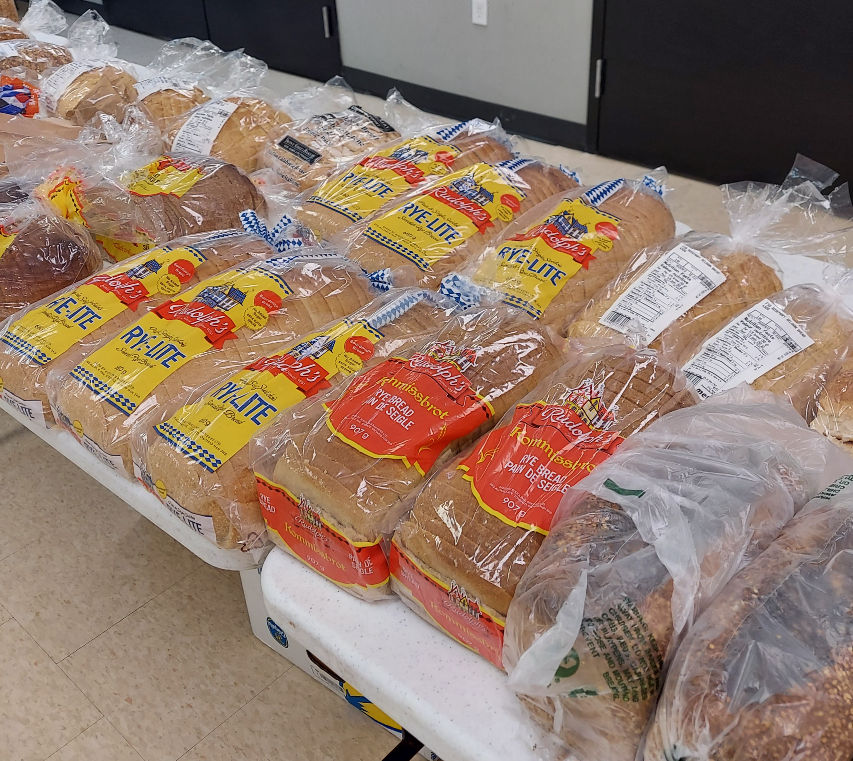

The Pantry is currently accepting Spring/Summer wear to share with the community. You can drop off to donate, exchange, or just take what you need.
Scrubs, kid clothing, jackets, coats, new decorative pillow cases, books, womens items. Mens selection is very limited.